
Easter in Europe is far more than a religious celebration — it is a cultural moment where history, identity and local traditions converge. Across the continent, centuries-old rituals continue to shape the rhythm of towns and cities, offering a unique window into the character of each region.
From solemn processions to symbolic foods and seasonal gatherings, Easter reveals how deeply rooted traditions continue to define European life — and, in many cases, influence the appeal of living in these places.
France: bells, chocolate and family rituals
In France, Easter is marked by a blend of Catholic heritage and family-oriented customs. One of the most distinctive traditions is the belief that church bells fall silent from Good Friday until Easter Sunday, said to “fly to Rome” before returning with chocolate and sweets for children.
Rather than the Easter Bunny, it is these returning bells that are believed to scatter treats across gardens and homes. Chocolate artisans play a central role, creating elaborate eggs, fish and bells — particularly in regions such as Alsace and Provence, where culinary traditions are deeply tied to seasonal celebrations.
Easter Sunday is typically reserved for long family lunches, often featuring lamb — a symbolic dish across many European countries.
Spain: processions of devotion and identity
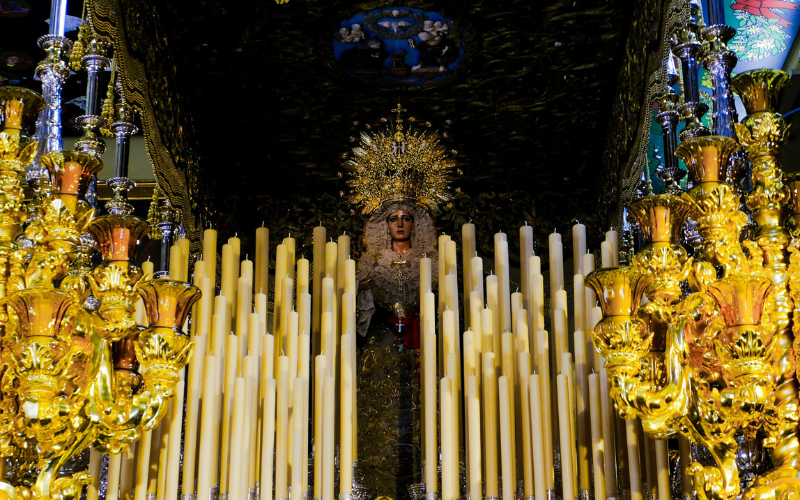
In Spain, Easter — or Semana Santa — is one of the most powerful and visually striking celebrations in Europe. Cities such as Seville, Málaga and Valladolid become stages for solemn processions that blend religious devotion with artistic expression.
Brotherhoods (cofradías) carry elaborate floats depicting scenes from the Passion of Christ through historic streets, accompanied by penitents in traditional robes and hoods. The atmosphere is both deeply spiritual and culturally immersive, with music, candlelight and centuries-old rituals shaping the experience.
Beyond its religious significance, Semana Santa plays a key role in local identity and community cohesion, attracting international visitors while remaining profoundly rooted in tradition.
Italy: tradition, symbolism and regional diversity
In Italy, Easter reflects both religious solemnity and regional diversity. Celebrations vary widely across the country, but all share a strong connection to Catholic liturgy and communal gathering.
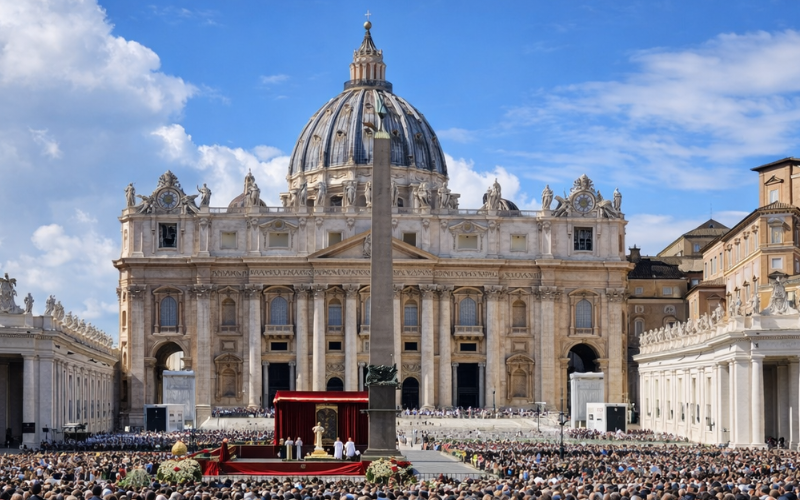
In Rome, Easter reaches its symbolic peak with the Papal Mass at St. Peter’s Basilica, followed by the Urbi et Orbi blessing. Meanwhile, cities such as Florence maintain unique local traditions — most notably the Scoppio del Carro, where a historic cart filled with fireworks is ignited in front of the cathedral, symbolizing prosperity and renewal.
Culinary traditions are equally significant. Dishes such as colomba pasquale (a dove-shaped cake) and lamb-based meals highlight the importance of Easter as a moment of celebration and family reunion.
Switzerland: simplicity, nature and seasonal rituals
In Switzerland, Easter traditions tend to focus on family, nature and seasonal change, reflecting the country’s cultural diversity.
In cities like Zurich and Lucerne, Easter markets, decorated fountains and local events mark the arrival of spring. Children participate in egg hunts, while painted eggs and floral arrangements symbolize renewal.
In rural and alpine regions, Easter coincides with the transition from winter to spring — a moment deeply connected to landscape and lifestyle. This seasonal shift is often celebrated through outdoor gatherings and simple, traditional meals shared with family.
Across Europe, Easter connects past and present, shaping local identity and everyday life. These traditions remind us that heritage and lifestyle are deeply intertwined, offering a sense of belonging even in a globalized world